
Be the bank on a real house.
A private mortgage note is a loan from a person instead of a bank, recorded against a house at the county. We buy affordable houses in Ohio with private money and put families in them on a path to owning. On this site you'll see the houses people have lent us money on, and what we paid for each one.
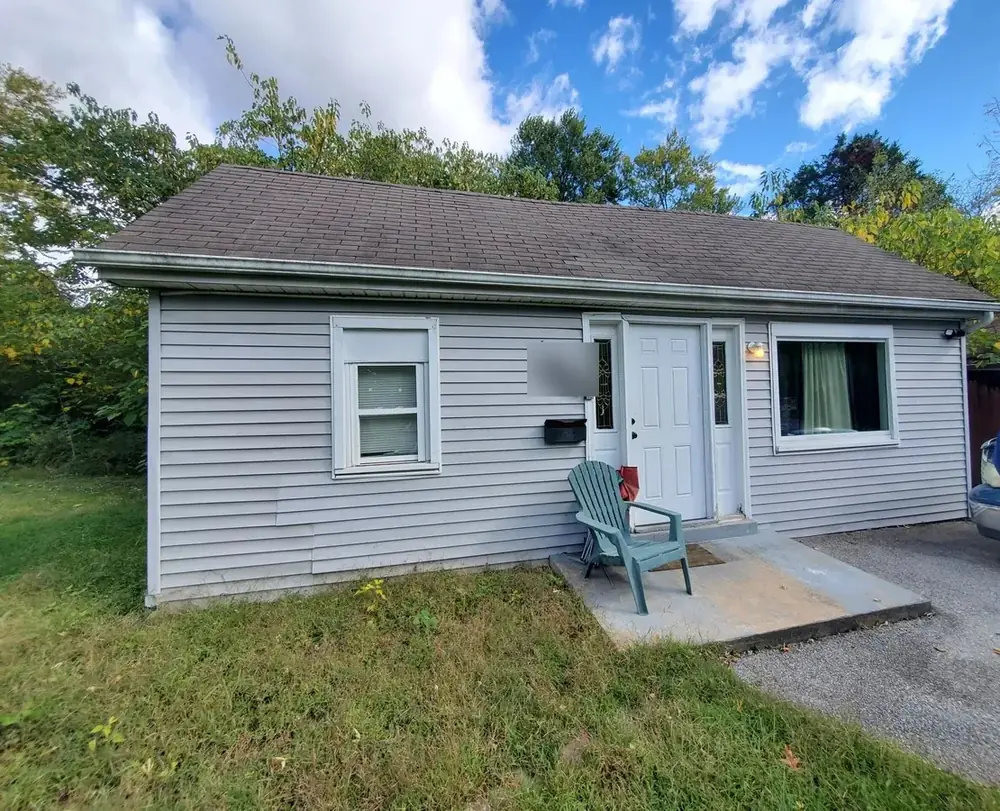
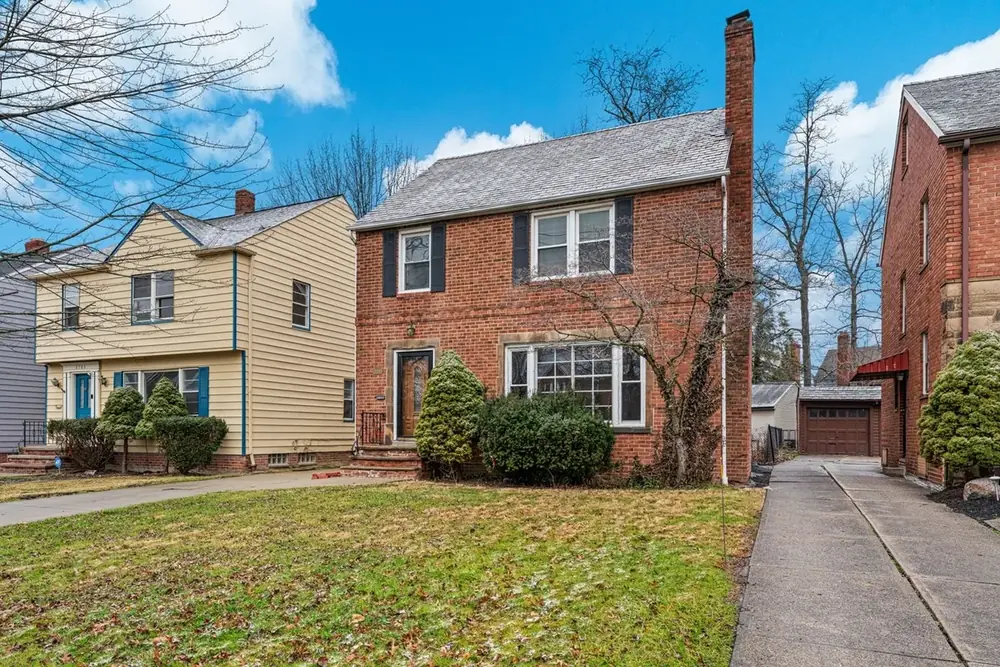
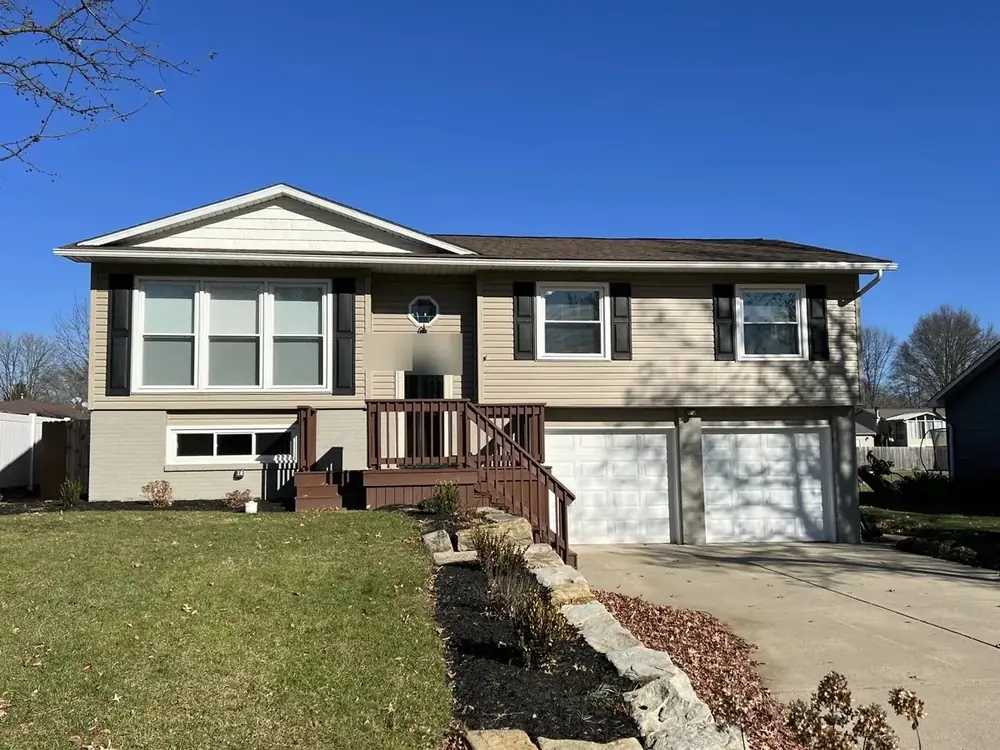
- BoughtDecember 2024
- Price$37,500
- House2 bed, 1 bath
Homes people have lent us money on. A slice of our rental portfolio, with what we paid for each house.
See the houses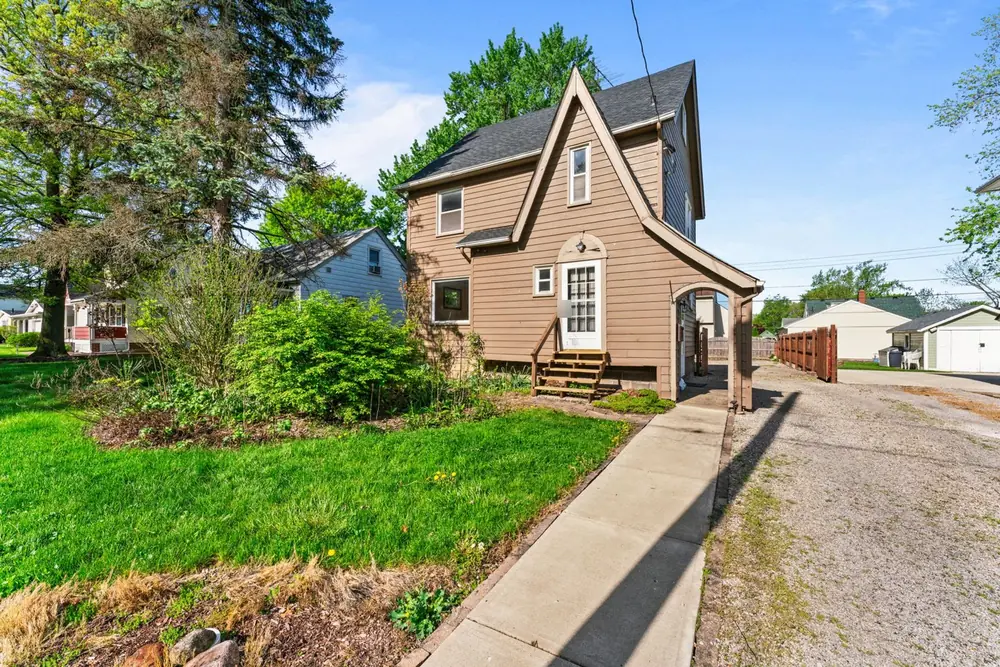
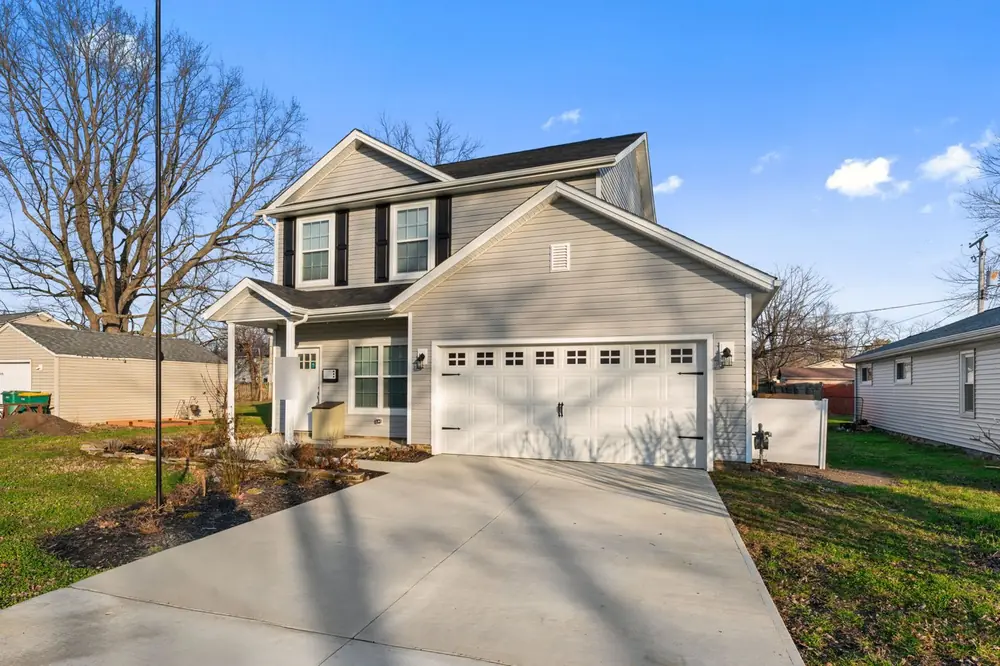
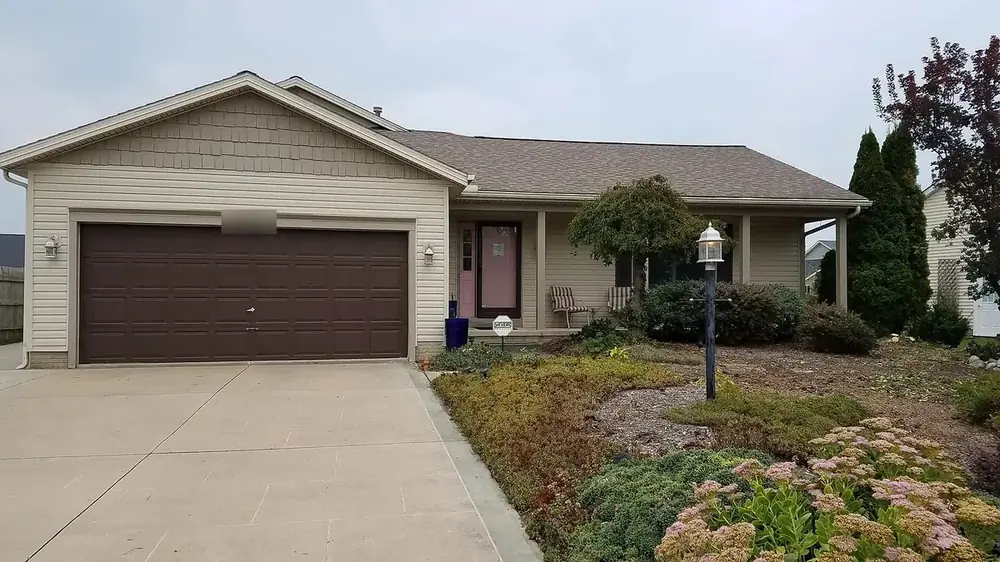
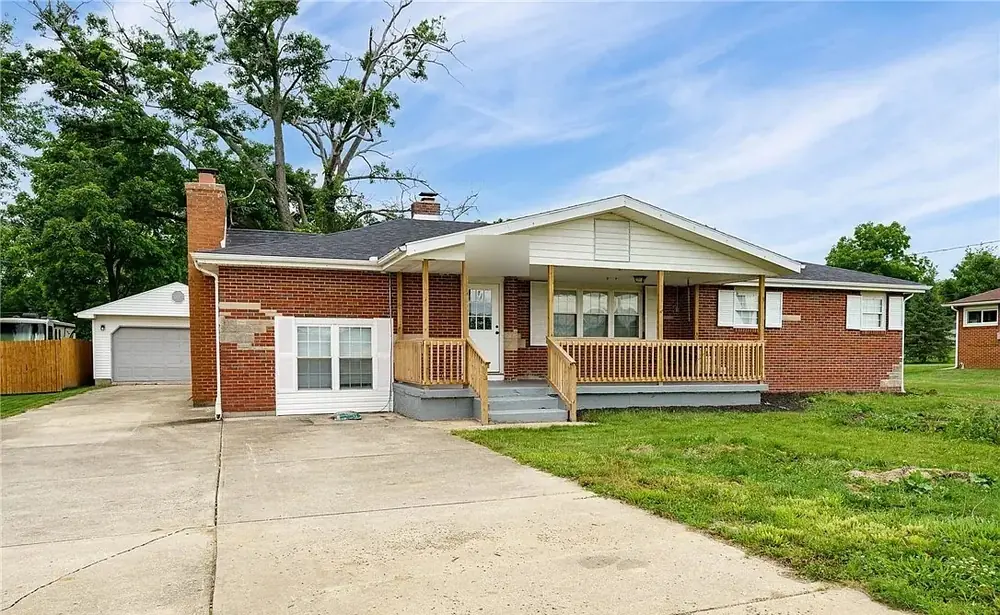
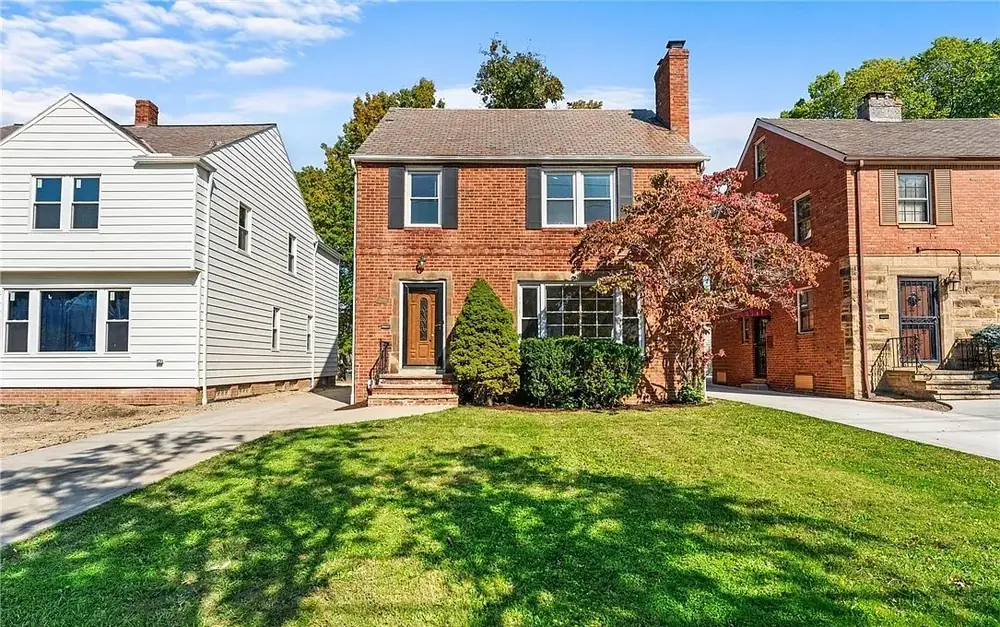
We buy small houses and sell them to working families on a path to owning.
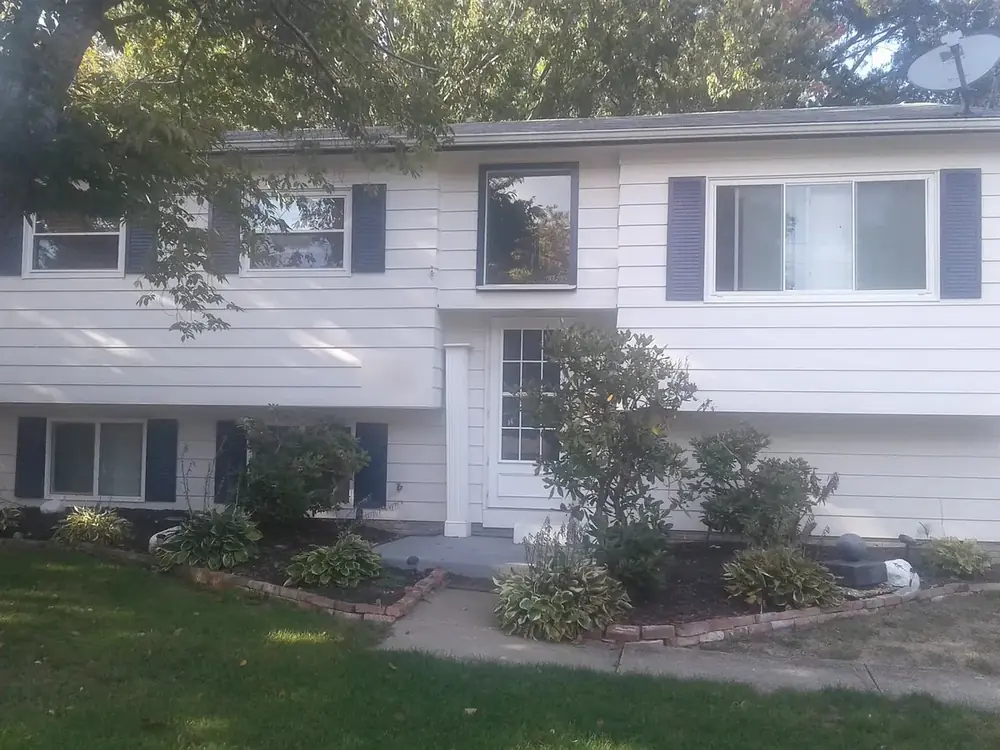
We buy single-family houses, mostly in Ohio's smaller cities. Every house we've bought since the end of 2024 cost under $40,000. Jon finds them, walks them, and runs the numbers, and a house has to be livable, or close to it, on the day we buy it.
The families who move in can usually afford $700 to $1,100 a month, but a bank won't write them a mortgage. The loan is too small for a bank to want, or the credit file is thin, or there's no down payment saved. We lease them the house with an option to buy it at a price set on day one, or sell it to them on a land contract. They get a fixed payment and a way to own the house. The street gets an owner-occupant instead of an empty house.
We buy the houses with money people lend us: private lenders, and sellers who finance the sale to us.
See houses people have lent us money on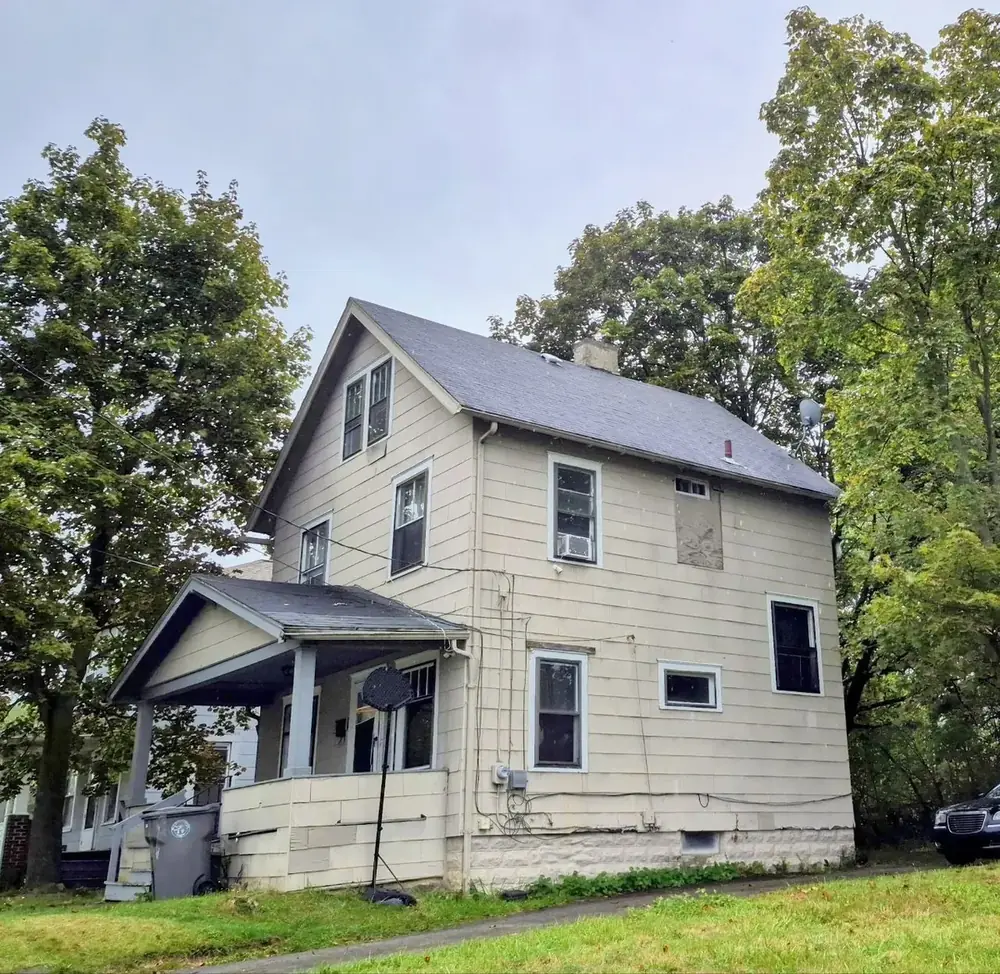
Samuel Avenue, Youngstown
In October 2025 we bought a house on Samuel Avenue for $37,000. A private lender funded it with a $37,000 note, paid out of their self-directed IRA. The note runs five years, fully amortized, and the mortgage behind it sits in first position, recorded with Mahoning County through a title company.
A family leases the house for $954.50 a month and is working toward owning it. Our company is the borrower on the note, so the family's lease and the lender's note are two separate agreements.
- Purchase price$37,000
- Private note$37,000
- Term5 years, fully amortized
- Lien positionFirst
- Lender's accountSelf-directed IRA
- Family's lease$954.50 a month
The note and the mortgage
A $37,000 note and a first-position mortgage on the house, recorded with the county. If the note isn't paid, the lien gives the lender a legal claim on the house.
The house and the work
The deed, the lease, the property tax bill, and every repair call. Jon handles the family and the house on the ground.
A home they can buy
A lease at $954.50 a month and a path to owning the house they live in.
A private note carries risk, the same as any investment. Here's what happens if payments stop.
Dan and Jon

Dan Wilson
Capital and lendersA former Air Force officer with 14 years of service. Bought his first rental on active duty with a VA loan and built to eight units by living in one and renting the rest. Part of more than 100 transactions, and a private lender himself.

Jon Smith
Operations and underwritingA former regional manager for a chain of high-end restaurants. Part of more than 70 transactions and owns 10 rental units. Finds the houses, runs the numbers, and qualifies the families, all on the ground in Ohio.
Worth knowing first
What a lender actually holds
The note, the recorded mortgage, the title policy, and the insurance, and what each one does for the lender.
Read it Lien positionWhy first position matters
Who gets paid first when a house is sold or foreclosed, shown on a real sale from our own deals.
Read it Due diligenceQuestions to ask any borrower
Eight questions a borrower should answer with documents. Ask them of us too.
See the questions Retirement accountsLending from an IRA
How a self-directed IRA can be the lender, the way the Samuel Avenue note was funded.
Read itWant to talk it through?
If you want to learn what it takes to be a private lender and figure out whether it fits your situation, apply for a Private Lender Fit Call — link below. It's a conversation, not a pitch.